Mitigate Waste.
Learn about our environmental practices to help our neighborhoods be cleaner and more energy efficient.
One Home’s Trash is Another Home’s Energy.
SWS actively champions eco-energy recovery to reduce waste and power homes.
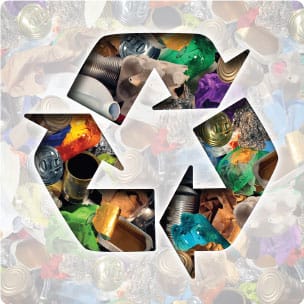
No-Sort Recycling
No-Sort requires less effort by customer base leading to more successful recovery efforts.
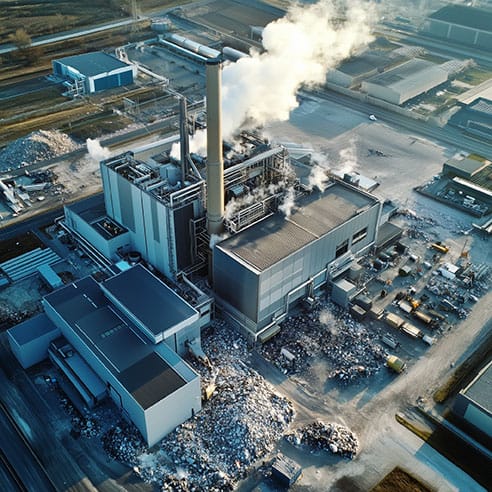
Incineration-Electrical
Waste is incinerated. Energy that is produced is converted to electricity for residential use.
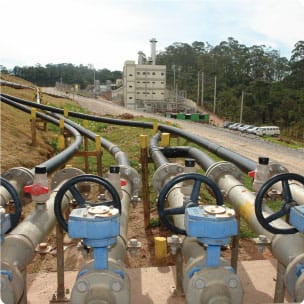
Methane Recovery-Biofuel
Landfill gases are collected and converted into biofuels and other natural gas-use products.
The state of recycling waste.
USA
PET (#1) & HDPE (#2) plastics are recycled
USA
of households have the ability and services available to recycle easily, but many do not prioritize recycling
USA
MSW is converted to bio fuel
USA
of MSW (Municipal Solid Waste) qualifies for recycling but has been improperly binned
USA
of households have the ability and services available to recycle easily, but many do not prioritize recycling
USA
MSW being recycled
About SWS
At Suburban Waste Services, we’re committed to doing more than just hauling trash — we’re helping turn it into something good. Through our Trash 2 Energy program, we partner with local facilities that convert non-recyclable waste into usable energy, reducing landfill volume and supporting a cleaner, more sustainable community. It’s one more way SWS puts our mission into action: serving our neighbors responsibly and protecting the place we all call home.
Our mission
To manage everyday waste responsibly by keeping more materials out of landfills, promoting recycling, and advancing renewable energy recovery that powers a cleaner tomorrow for our community.
Our vision
A cleaner, more sustainable community where less goes to landfills and more of what we collect is reused, recycled, or converted into renewable energy.
Be Intentional About Recycling
Think Before You Toss
Encourage Others to Recycle
Teach the Next Generation
Reduce • Reuse • Recycle
FAQs

What does “Trash 2 Energy” mean?
Trash 2 Energy refers to converting non-recyclable waste into usable energy — either before it reaches the landfill or after it’s buried.
This happens in two main ways:
- Waste-to-energy facilities safely burn trash to produce electricity and steam.
- Landfill-gas-to-energy systems capture methane naturally created in landfills and turn it into power.
Both approaches reduce greenhouse-gas emissions, recover valuable energy, and make better use of the materials our community discards.
Where can I find resources to learn more about recycling?
There are some great resources available to increase your recycling knowledge:
- Minnesota Pollution Control Agency: Recycling in Minnesota | Minnesota Pollution Control Agency
- Carver County: Recycle | Carver County, MN
- Hennepin County: Residential recycling | Hennepin County
- Scott County: Residential Recycling | Scott County, MN
How can I help make the recycling process more effective?
Sort waste properly — recycle clean materials, keep trash bins free of hazardous items, and avoid contamination in recycling and organics. The cleaner the waste stream, the more efficiently facilities can recover energy and materials.
How much waste is reduced through these processes?
Incineration typically reduces the volume of waste by up to 90%, leaving behind a small amount of ash. Capturing and using landfill gas can also prevent thousands of tons of methane emissions each year, helping reduce overall environmental impact.
How does the waste-to-energy incineration process work?
Waste is delivered to a facility where it’s safely combusted in large boilers. The heat from this process turns water into steam, which powers turbines to generate electricity. The energy can heat buildings, supply electricity to the grid, or support local district-energy systems.
What is landfill-gas-to-energy?
When organic materials like food or paper break down in landfills, they create methane gas. Instead of letting that gas escape into the atmosphere, special systems capture it and use it to generate electricity or fuel vehicles — turning a greenhouse gas into a renewable energy source.
Are waste-to-energy incineration and landfill-gas-to-energy facilities safe for the environment?
Yes. Modern facilities are built with advanced pollution-control systems and are strictly regulated to meet environmental and air-quality standards. Continuous monitoring ensures emissions remain well below federal and state limits.
What kind of energy is created?
The process produces electricity and heat. Some facilities also provide steam energy to nearby buildings, while landfill-gas projects can generate natural-gas-equivalent fuel for vehicles or pipelines.
Why recycle? Isn’t it a waste of my time?
The most compelling incentive for recycling comes from understanding its direct environmental and economic impacts, backed by clear data and personal benefits:
- Resource Conservation: Recycling one ton of paper saves ~17 trees, 7,000 gallons of water, and 3 cubic yards of landfill space (EPA data). For plastic, recycling 1 ton prevents ~1,000–2,000 gallons of oil use. This preserves ecosystems and reduces extraction.
- Waste Reduction: Globally, ~2.24 billion tons of municipal solid waste are generated annually, with ~40% recyclable but often landfilled (World Bank). Recycling diverts waste, reducing landfill methane emissions (a potent greenhouse gas) by up to 20% in some systems.
- Energy Savings: Recycling aluminum saves 95% of the energy needed for new production (e.g., 14,000 kWh per ton). Glass recycling cuts energy use by ~30%. This lowers carbon footprints and industrial pollution.
- Economic Benefits: Recycling creates jobs—~10 jobs per 1,000 tons recycled vs. 1–2 for landfilling (EPA). It also saves communities money by reducing landfill costs and generating revenue from materials like metals or paper.
- Personal Impact: Recycling at home can cut your household waste by 30–50%, lowering disposal costs in pay-as-you-throw systems. Programs like bottle deposit schemes (e.g., 5–10¢ per container) offer direct cash incentives.
- Climate Change Mitigation: Recycling reduces global CO2 emissions by ~700 million tons annually (equivalent to removing 150 million cars from roads). It’s a tangible way to fight climate change.
Do your part, encourage others and join the effort!
Testimonials and Reviews
We Love Our SWS Neighbors
Trustindex verifies that the original source of the review is Google. SWS has always provided excellent service. They are very responsive. My recent request was to increase our trash cart size, and it was handled smoothly in under 90 seconds. I also appreciate that they are locally owned.Trustindex verifies that the original source of the review is Google. So FAST and kind. Thanks!!Trustindex verifies that the original source of the review is Google. The employees are very respectful and kind people.Trustindex verifies that the original source of the review is Google. We have used SWS for a while now and all I can say is the best service week after week. Not sure the level that they provide was something I ever saw in 30yrs of Savage trash haulers.Trustindex verifies that the original source of the review is Google. Reliable, friendly and tidyTrustindex verifies that the original source of the review is Google. Service is great and love the newsletters!Trustindex verifies that the original source of the review is Google. Every week without fail my “guy” collects my garbage and kindly puts the trash can next to my driveway and out of the street ready for me to take back to my house. I love suburban waste! Great companyTrustindex verifies that the original source of the review is Google. They do a great job of keeping the cans neatly placed on driveways. All my interactions with them have been positive; no complaints.